
Timelessness Is the New Disruption: Why Interiors Brands Must Slow Down to Win
Discover why timeless, values-led design is set to lead UK interiors in 2026/27. Learn how slowing down builds emotional relevance, trust and long-term brand growth.
We find ourselves living in a cultural moment defined by pace. Trends appear overnight and tastes shift without warning. Inspiration is everywhere and nowhere all at once, yet in this whirlwind, people are looking for something quieter and more grounded.
For interiors brands, this desire is reshaping what relevance means in 2026/27.
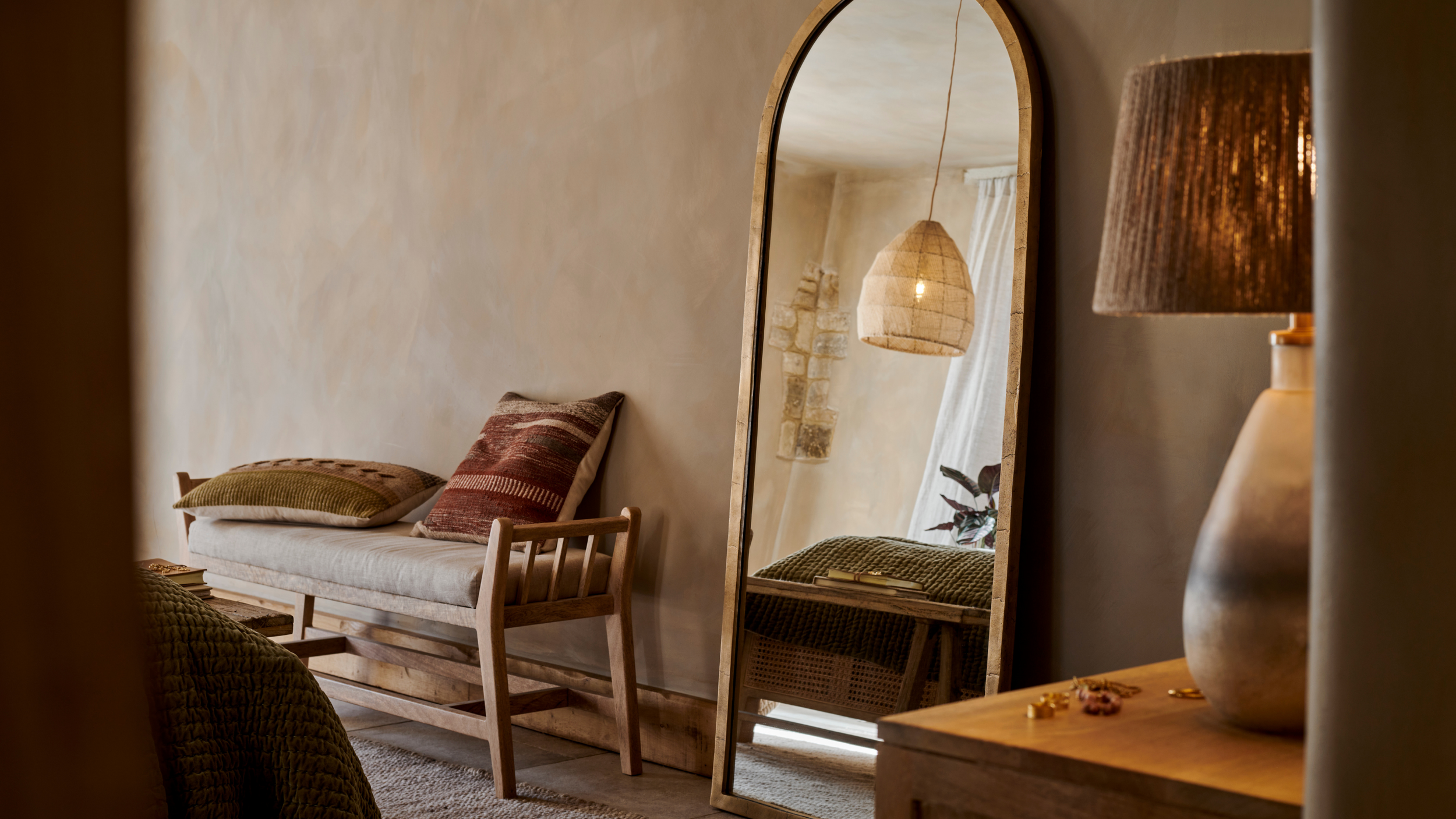
Nkuku Interiors
The world is moving too fast for trend driven interiors
Trends now move at a pace physical products cannot match. A look can rise, peak and fade before a single sample is approved. Interiors brands, working on long development cycles, cannot respond at cultural speed. The race is unwinnable.
This is exactly why timelessness has become such a powerful strategy. In a world that reinvents itself weekly, brands that offer steadiness and clarity feel more trustworthy. When everything feels temporary, people look for something that lasts.
The opportunity for interiors brands is not to keep up with culture but to step outside its churn.
Timeless brands win when cultural change moves faster than product cycles.
The UK homewares context for 2026/27
The UK continues to experience cautious spending. Retail sales volumes fell by 1.1 percent in October 2025 according to the Office for National Statistics, showing the pressure on discretionary purchasing. Yet the homewares sector remains steady. GlobalData forecasts modest but sustained growth across 2026/27 as consumers invest in fewer, better and longer lasting pieces.
People are not losing interest in their homes. They are simply becoming more selective. Purchases must justify their value over time, both emotionally and practically.
Timelessness, in this climate, becomes a form of reassurance.
UK consumers in 2026/27 will focus on fewer and better homeware purchases that deliver long term value.
Cultural forces pushing interiors toward slowness
Several cultural pressures are shaping what people want from their homes and the brands they buy from.
Burnout and digital saturation
People are overwhelmed. Homes are expected to soften the pace, not add to it. Quiet, grounding design resonates more deeply than fast moving aesthetics.
Climate consciousness and a shift in consumption
Buying fewer, better pieces feels responsible and satisfying. Products that age well or can be repaired are increasingly preferred.
A renewed desire for authenticity
People seek warmth, tactility and honesty. They want interiors that feel lived in, not staged. A patina is now a strength, not a flaw.
All of these forces point in the same direction. Slow, intentional interiors are not only aesthetically appealing. They are emotionally and culturally aligned.
Forecasting signals from Pinterest Predicts and WGSN
A useful signal of this shift is emerging in the latest forecasting reports. Pinterest Predicts 2026 highlights rising interest in homes that feel grounding and sensory. This is a quiet response to the pace, pressure and digital noise that shape modern life. People are seeking interiors that help them slow down, breathe differently and reconnect with real materials in real space.
WGSN’s Future Consumer research echoes the same sentiment. It identifies a growing cohort who are deliberately seeking refuge, clarity and emotional steadiness. For this group, the home is no longer a backdrop. It is a buffer. A place that supports recovery as much as expression.
This is not about a single aesthetic. It is about a shift in intention. People want spaces that feel human. Rooms that soften the world rather than amplify it. Interiors that offer presence rather than performance.
Together, these signals show a clear direction of travel. Consumers are gravitating toward design that offers emotional substance, sensory calm and long-term meaning. These qualities naturally align with the principles of timelessness.
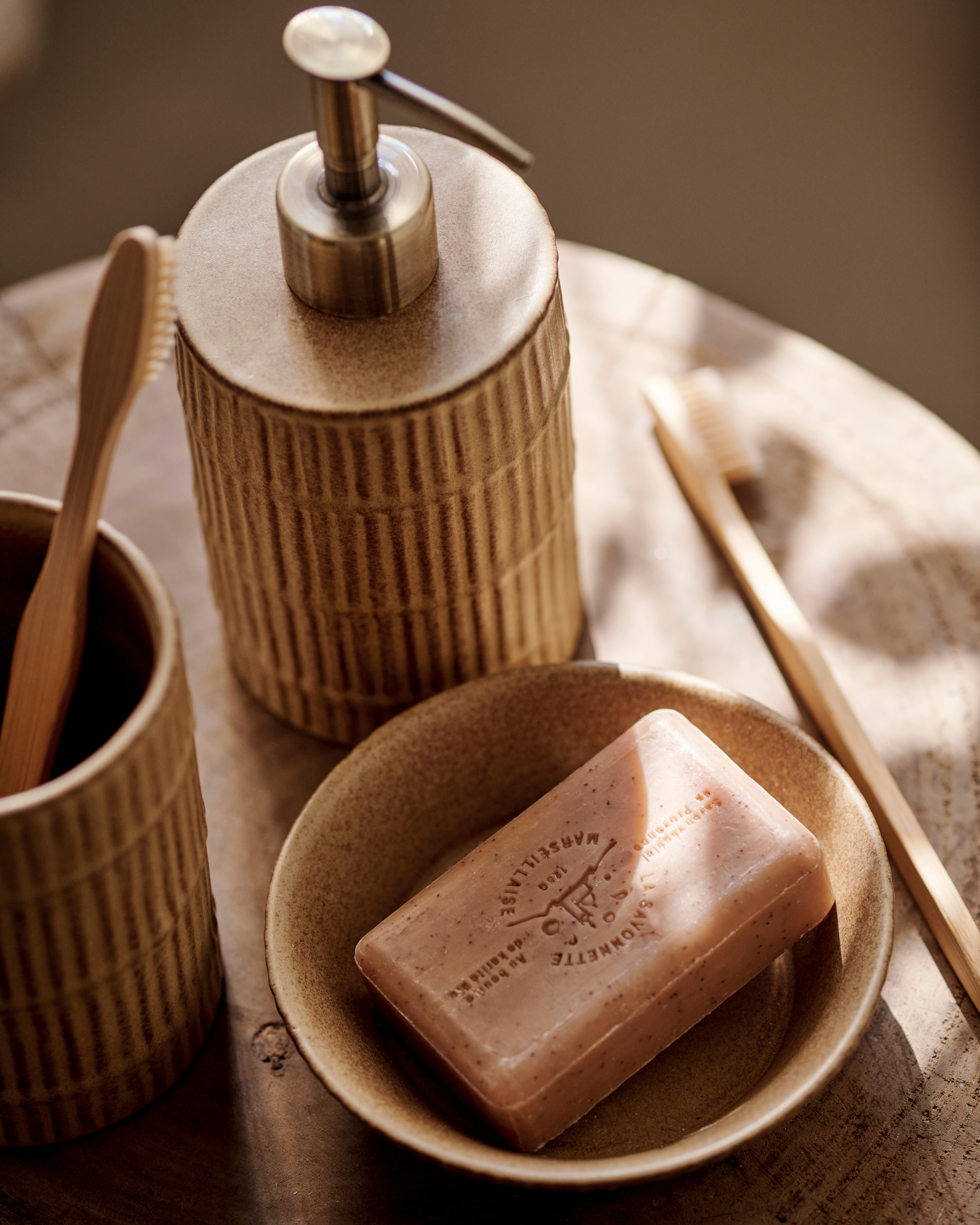

Forecasting platforms show rising demand for interiors that provide emotional steadiness and sensory grounding in an overstimulated world.
Values led living is reshaping how people choose products
As spending becomes more considered, values play a bigger role in decision making. People want brands that reflect their beliefs and behave responsibly.
Ethics as a decision filter
Sustainability, fair production and long-term durability matter more than ever. These values influence what people bring into their homes.
Transparency as trust currency
People want to understand how products are made, where materials come from and how long items should last. Clarity reduces risk and builds loyalty.
Timeless brands are well placed to meet these expectations because integrity and longevity are already part of their foundation.
Consumers in 2026/27 will choose interiors brands that demonstrate responsibility, clarity and long-term value.
The emotional home and why long-term utility matters
Homes now carry far more emotional responsibility. They are spaces for recovery, connection, focus and rest. This is influencing how people choose products.
Consumers increasingly look for:
lighting that softens the evening
textures that reduce stress
colours that quieten visual noise
furniture that adapts to hybrid living
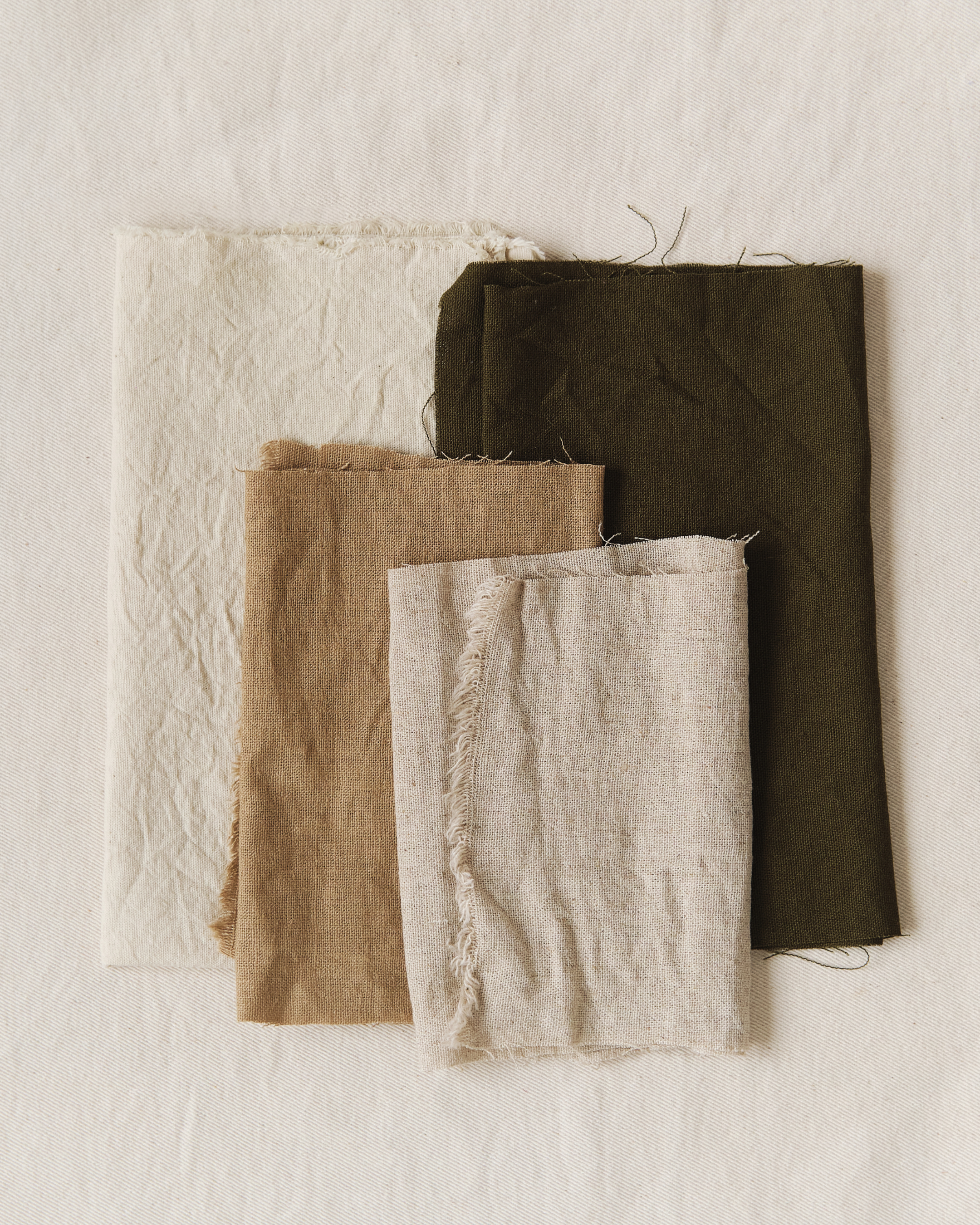
natural materials that offer warmth and reassurance
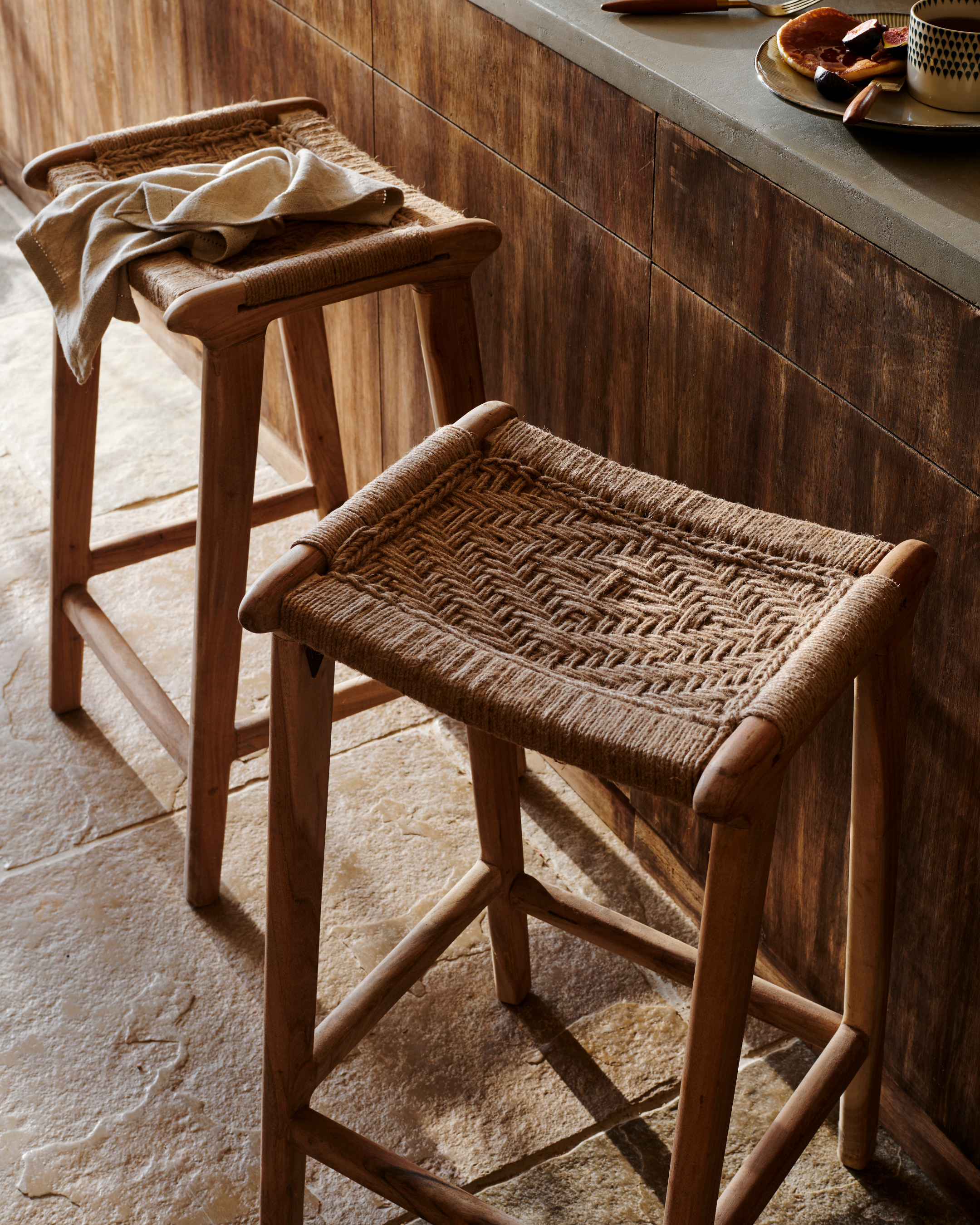
Short term aesthetics give a momentary lift. Emotional utility gives lasting meaning. This is where timeless design excels. If something supports daily life beautifully, it stays relevant far longer than any trend.
Emotional utility is becoming more influential than aesthetics alone in homewares decisions.
The strategic pivot: slow in product, fast in meaning
Interiors brands cannot update product at cultural speed. Lead times require patience. But meaning can move quickly and meaning is what creates relevance.
A design can remain unchanged for years. What changes is the story around it: how it connects to seasonal moods, emotional needs or cultural rhythms. The product holds steady. The interpretation evolves.
This is where timeless brands find their advantage. They build a long-term foundation and allow relevance to shift around it.
The rise of AI led discovery
AI is reshaping how people find and choose products. The traditional marketing funnel has collapsed, replaced by highly personalised and emotional discovery journeys. People now ask for how they want their homes to feel, not what trend they should follow. This shift naturally favours brands with a strong design identity, emotional utility and long-term consistency.
Timeless brands fit this new landscape well because clarity and purpose make them easier for AI tools to understand, recommend and surface at the right moment.
Integrated Growth Strategy
Growth does not rely solely on launching newness. For new customers, every product is new. The entire range is undiscovered and full of potential. The role of the brand is to help people understand what exists and why it matters.
For existing customers, relevance can be renewed by showing new ways to use, style or combine the pieces they already own. A bench becomes an entryway anchor. A lamp becomes a winter mood setter. A shelf becomes a room divider.
The product stays the same.
The purpose expands.
This creates a more sustainable, emotionally resonant and commercially efficient form of growth.
Interiors brands stay relevant by evolving meaning and showing new uses for existing products, not by accelerating newness.
“Timelessness offers long-term stability and trust in a market defined by rapid cultural change, and brands that invest in intention now, will lead the years ahead.”
Pathways for interiors brands to win by slowing down
1. Create a stable design language
A recognisable and consistent identity reduces the need for constant reinvention.
2. Reframe collections around emotional needs
Align products with themes such as calm, clarity, renewal and hosting. Relevance grows through connection, not novelty.
3. Build trust with material clarity
Explain origins, durability and care. Transparency builds confidence.
4. Design systems rather than isolated pieces
Modular and adaptable designs support long term ownership and reduce waste.
5. Refresh meaning rather than the assortment
Storytelling, content and emotional framing can extend a collection’s life significantly.
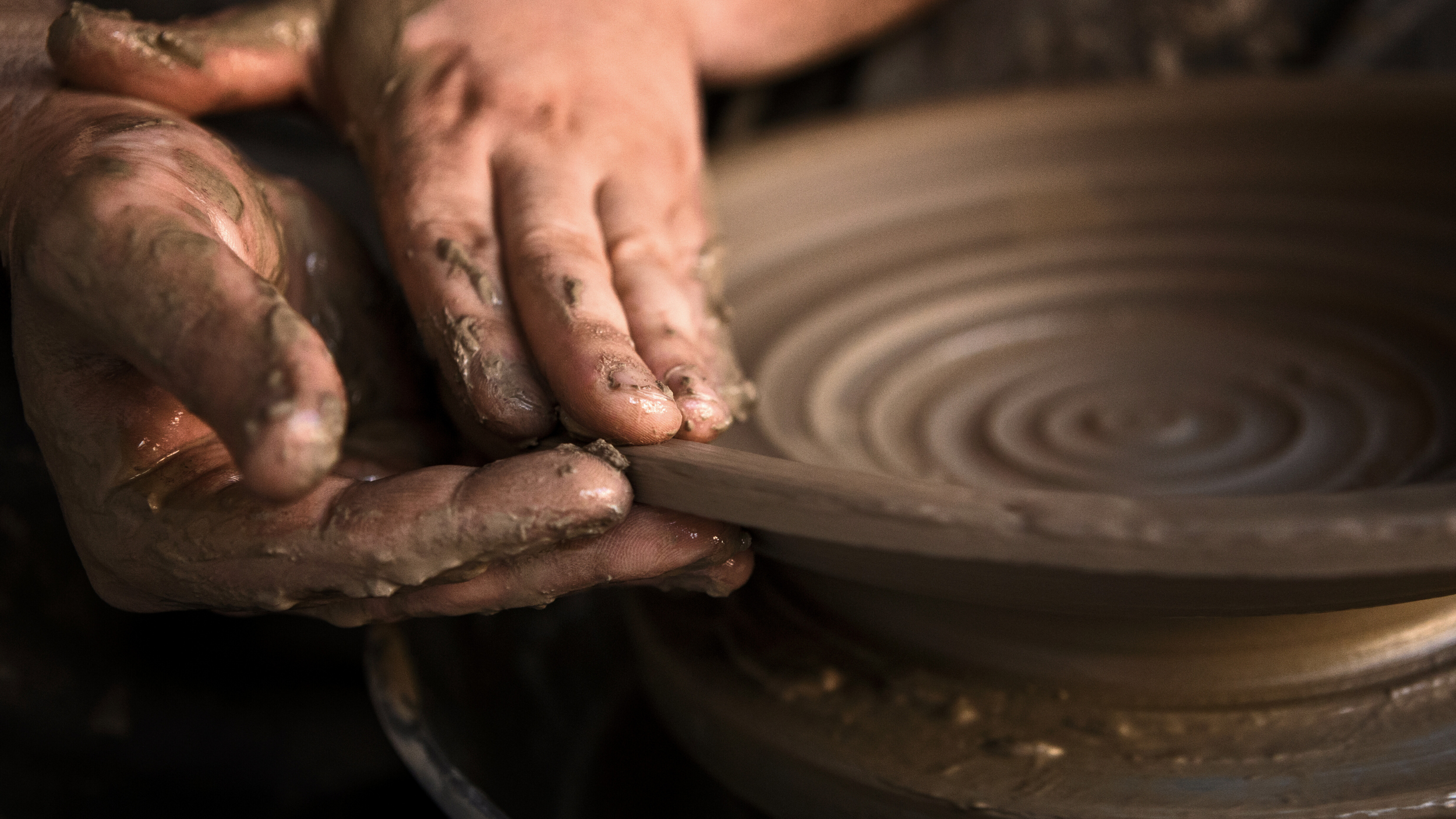
Timeless brands win through emotional relevance, material clarity and considered restraint.
What interiors brands can prioritise now
These steps require no new product development and can begin immediately:
Define your design language
Map emotional and cultural rhythms to guide communication
Bring clarity to materials and manufacturing
Reframe core ranges through emotional and functional stories
Support customers with care and repair guidance
Each of these actions builds trust while working with the natural pace of interiors development.
Brands can increase relevance quickly through clarity, storytelling and customer support.
True Story’s perspective
The industry has spent years trying to speed up, yet the world is now moving too quickly for speed to be a viable strategy. The opportunity is not to chase cultural cycles but to create a foundation that outlasts them.
Timelessness is not resistance to change. It is a commitment to clarity, purpose and emotional relevance. It offers customers something steady in a world that rarely stands still.
In 2026/27 and beyond, the brands that invest in intention over urgency will be the ones people trust. They will be the brands customers return to. They will be the brands that last.
At True Story, we help interiors brands shape their brand strategy for the long term. We work with teams to clarify their design language, build values-led narratives, and create emotionally resonant customer experiences that feel relevant today and enduring tomorrow.
This is where your True Story begins.
FAQ
-
Because cultural trends move faster than interiors product cycles. Timeless design provides stability and long-term value in a fast-changing world.
-
Cautious spending, long lead times and cultural volatility.
-
Emotional wellbeing, sustainability, transparency and adaptable design systems.
-
By reframing meaning, inspiring new uses for existing products and aligning storytelling with emotional and cultural rhythms.